In a hospital, safe and effective medical procedures require not only advanced equipment, but also a medical gas pipeline system (MGPS) that allows the medical gas component of the health infrastructure to be delivered safely, continuously, and efficiently to all parts of the hospital. While some medical gases are visible, such as those delivered through small cylinders, many are delivered through a system where the medical gas is piped from a central area of the hospital to other areas where it is needed as part of the medical and care station. The role of the medical gas pipeline system cannot be understated, as it is an important failure or error catching system to enhance patient safety and effectiveness of medical treatment.
Crucial Elements of a Pipeline System for Medical Gases
Manifold and Source of Supply:
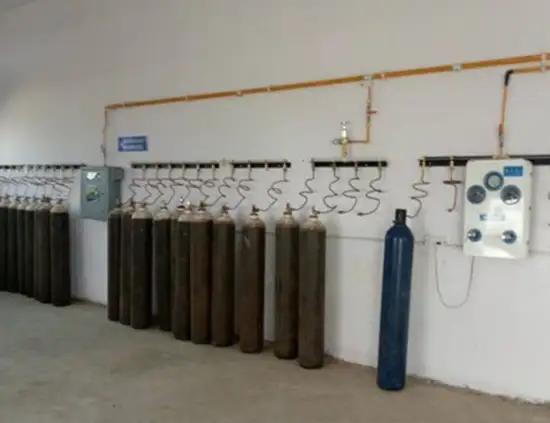
The manifold allows the interconnection of multiple gas cylinders (or bulk storage tanks) to supply a continuous and balanced gas flow through the central pipeline.
Alarm and Monitoring Units:
Alarm and monitoring units constantly monitor the gas pressure, purity, and flow rate; when the alarms trigger a varied response, and notify the technical staff of the abnormalities.
Terminal Outlets:
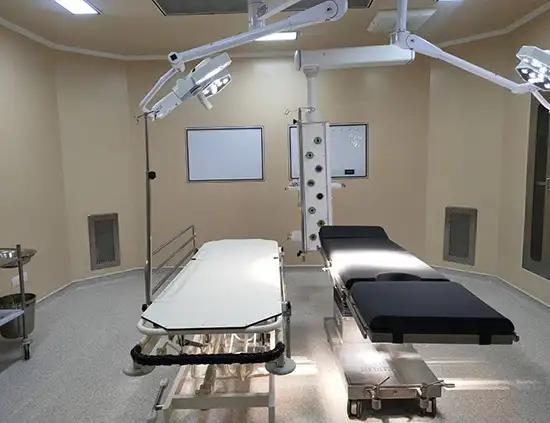
Terminal outlets are the connection points for medical staff to connect equipment such as ventilators, anesthesia machines, and suction devices.
Pipelines:
Special chips with copper tolerant to leaks and corrosion are used to distribute gases in the facility.
Advantages of a Medical Gas Pipeline System
Consistent and Secure Supply:
The medical gas pipeline is automatic and does not require a change-out of the cylinder, allowing for continuous delivery during critical situations.
Cost Effective Maintenance:
Though there may initially be a high cost for the installation of a medical gas pipeline system, the long-term savings and benefits of not changing cylinders and being more efficient with gas use is worth it.
Fulfilling Regulatory Compliance:
When a Medical Gas Pipeline System is installed properly, it already meets all the regulatory requirements for healthcare that are national and international standards, with reliability and safety in each healthcare setting.
Role of MGPS in Modern Healthcare
Today, hospitals manage numerous daily critical and surgical procedures. Provision of pure medical gases under controlled conditions are vital in anesthesia, critical care, neonatal care and emergency services. A pipeline system is critical in order for the hospital's workflow to operate efficiently.
Furthermore, as healthcare networks evolve, modern hospitals are utilizing MGPS infrastructure with digital monitoring and automation functionality for real-time operations, and preventative maintenance.
Conclusion
MGPS is more than a series of pipes, it is the lifeline which enables hospitals to operate effectively and effectively. By delivering a continuous, sterile and controlled gas supply, it becomes integral in saving lives and improving patient outcomes. The investment in a reliable and professionally designed MGPS is not only a technical necessity, but a vital priority for a reliable and future-proof healthcare facility for the community.


Write a comment ...