
Modern hospitals incorporate both technology and medicine, as the two are often entwined when it comes to patient safety, efficient and quality communication, and hospital care. The Nurse Call System and the Medical Gas Pipeline System are two major systems that uphold hospital operations. They are crucial for patient monitoring, emergency response, and for providing critical medical gasses.
In this blog, we will discuss how these systems actually work and why they are extremely important for healthcare facilities.
Nurse Call System
A nurse call system is a communication system used in hospitals that allows patients to call for assistance from nurses or other medical personnel quickly. Mounted at the patient side or in the bathroom, the system allows the patient to press a button and send out a signal that will prompt a call to the nursing station.
Once a patient presses the call button, a notification is sent to display panels, monitors or mobile devices that the nursing staff uses. This makes it possible for nurses to be responsive when there is a need from the patient.
Pivotal Functions of a Nurse Call System
Bedside Call Button
A simple button installed next to the bedside enables the patient to request assistance whenever needed, easily.
Central Monitoring Panel
Alerts are sent to a central control panel, which is located at the nursing station.
Audio and Visual Alerts
It alerts medical staff with lights, alarms, and digital displays.
Integration with Hospital Systems
Today, younger nurse call systems have the ability to connect with hospital management software as well as mobile elements.
Emergency Call Function
Certain systems have emergency buttons in washrooms and critical care units to seek prompt help.
Benefits of Nurse Call Systems
Faster response to patient requests
Improved patient safety and comfort
Enhanced transparency between the staff and the patients
Efficient workflow for nurses
Reduced risk of unattended emergencies
Health monitoring systems are used widely in hospitals, nursing houses, rehabilitation centres and assisted caring centres.
Medical Gas Pipeline System
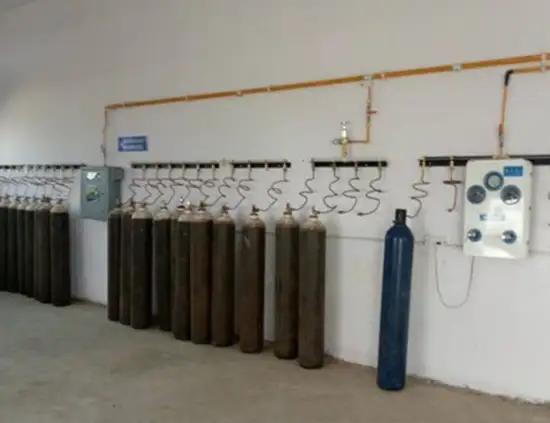
Medical gas pipeline system (MGPS) is a centralized system for the delivery of medical gases like Oxygen, nitrous oxide, medical air and vacuum to various hospital departments. This system delivers gases through a pipeline connected to a central source in order to avoid the use of separate gas cylinders at every bed side.
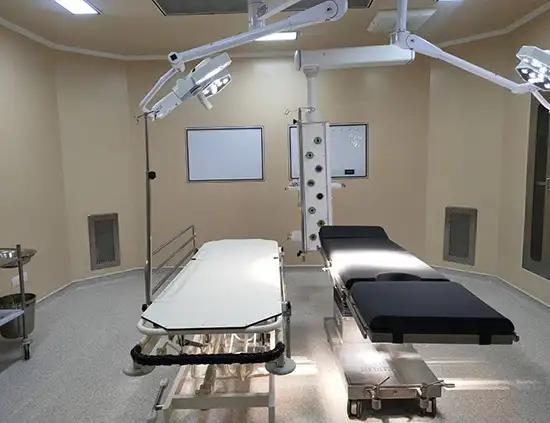
Med gas pipeline systems generally get installed in OTs, ICUs, emergency departments, and Patient wards.
Main Elements of Medical Gas Pipeline System
Gas Source Equipment
It covers oxygen cylinders, tanks for liquid oxygen, compressors, or vacuum pumps.
Pipeline Network
A system of copper piping safely transports medical gases throughout the hospital.
Control Panels and Valves
These elements help to maintain gas pressure and control gas movement.
Outlet Points
They fit outlets near patient beds for healthcare providers to attach ventilators, oxygen masks, or other medical equipment.
Alarm Systems
Staff are alerted by monitoring systems in the event of changes or issues with gas supply pressure.
Benefits of Medical Gas Pipeline Systems
Continuous Gas Supply
Guarantees constant and seamless access to life-saving gases such as oxygen.
Improved Safety
Low chance of accidents because of less use of gas cylinders
Efficient Hospital Workflow
Gases can be directly drawn from wall outlets near the beds of patients by medical staff.
Cost Efficiency
Importance in Healthcare Infrastructure
Nurse call systems and medical gas pipeline systems are vital systems in the hospitals of today.
A nurse call system helps patients to communicate with health care staff instantly which plays a vital role especially in emergency situations. On the other hand, a medical gas pipeline system ensures an uninterrupted provision of vital medical gases needed for surgeries, ICU and respiratory support.
Combined, these technologies improve hospital operations and patient care while assisting medical professionals in providing timely treatment.
Conclusion
Needless to say, having a robust infrastructure is utmost to safe and efficient medical care by hospitals. A nurse call system facilitates patient communication with nurses while improving response time; and a medical gas pipeline system delivers continuous medical gases across the hospital.
These systems enable healthcare facilities to uphold the standards regarding patient safety, operational efficiency and medical excellence.
FAQs
What is a nurse call system in hospitals?
A nurse call system is a communication platform initiated from the patient that informs the nurse or medical staff that assistance is needed.
Q: Where are nurse call systems used?
Most often found around patient bedside areas, hospital bathrooms, ICUs, and nursing stations.
What gases are provided via a medical gas pipeline system?
Typical gases are oxygen, nitrous oxide, medical air, and vacuum.
Importance of medical gas pipeline system in hospitals
It guarantees an uninterrupted and secure delivery of the medical gases necessary for treating patients and performing surgeries.
Where are Medical Gas Pipeline Systems Used in Hospitals?
They are primarily utilized in operating rooms, ICUs, ERs, and patient wards.


Write a comment ...